

Registration: Pre-Summit and Summit
Special Presentation: Central Bank of Oman’s 50th Anniversary
Networking Coffee Break
An engaging space to discover innovative offerings, connect with industry players, and explore emerging trends and solutions in Islamic finance and related sectors
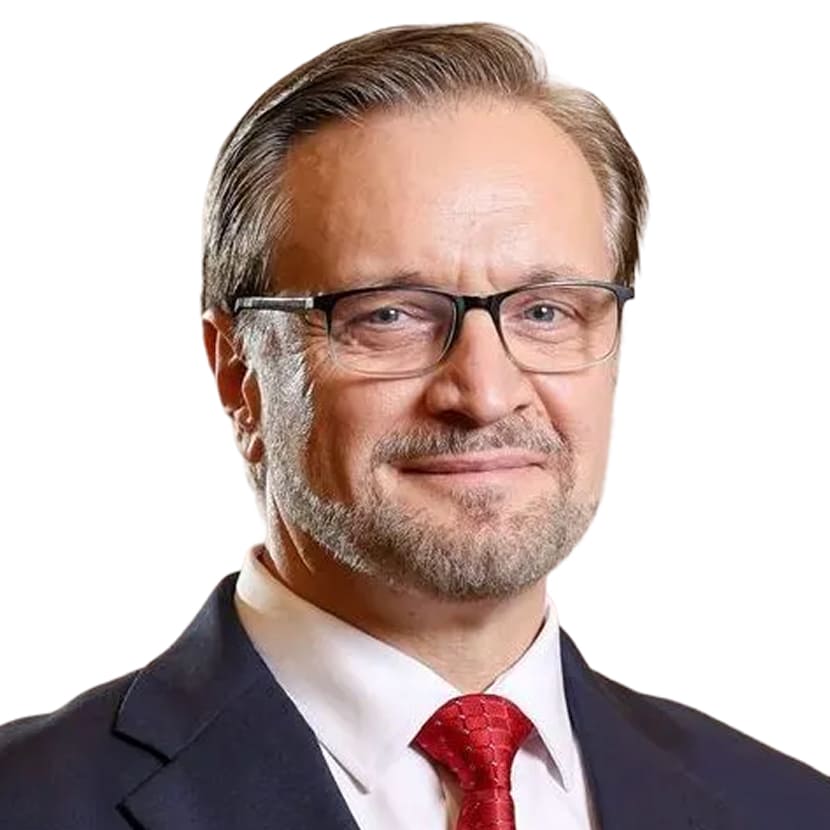
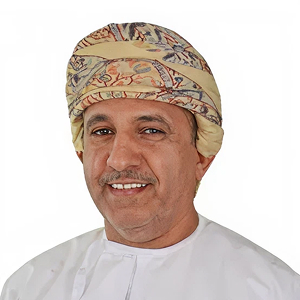
Format: Panel Discussion
As Islamic financial institutions navigate an evolving financial landscape, they must balance profitability with ethical responsibility and social impact. With growing stakeholder expectations for transparency, sustainability, and responsible investment, Islamic financial institutions have a unique opportunity to lead in ethical finance while maintaining competitiveness. This high-level forum will bring together industry leaders to discuss how Islamic financial institutions can leverage Sharīʻah-compliant financial instruments, social finance and impact-oriented products to drive both financial growth and meaningful societal change. Through insightful discussions and real-world case studies, this session will highlight how Islamic financial institutions can integrate Sharīʻah principles, financial sustainability, and innovation to achieve long-term economic and social value.
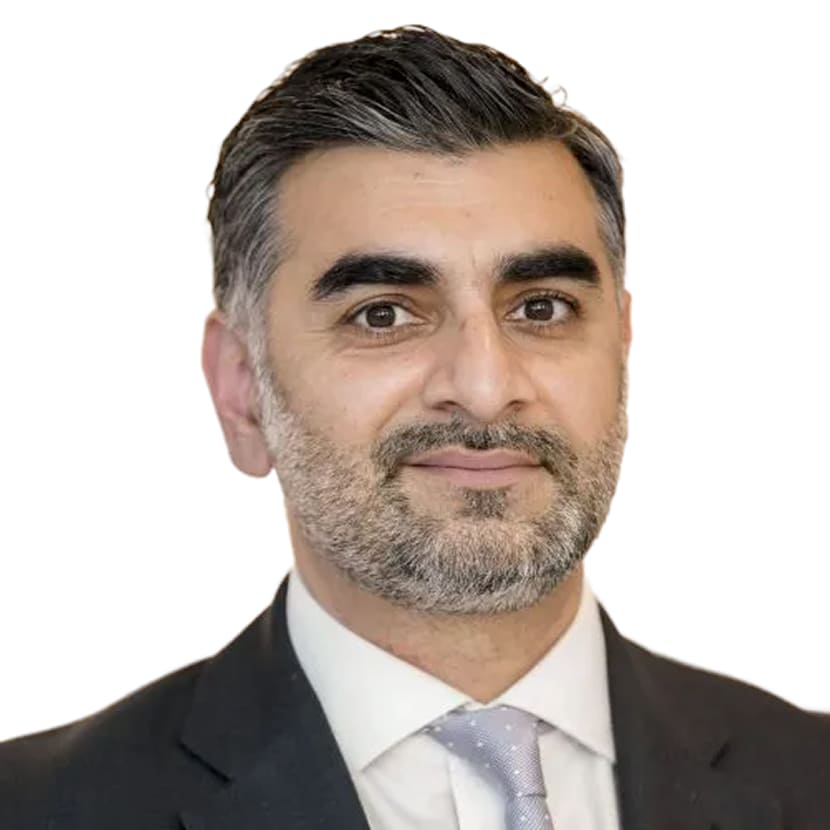
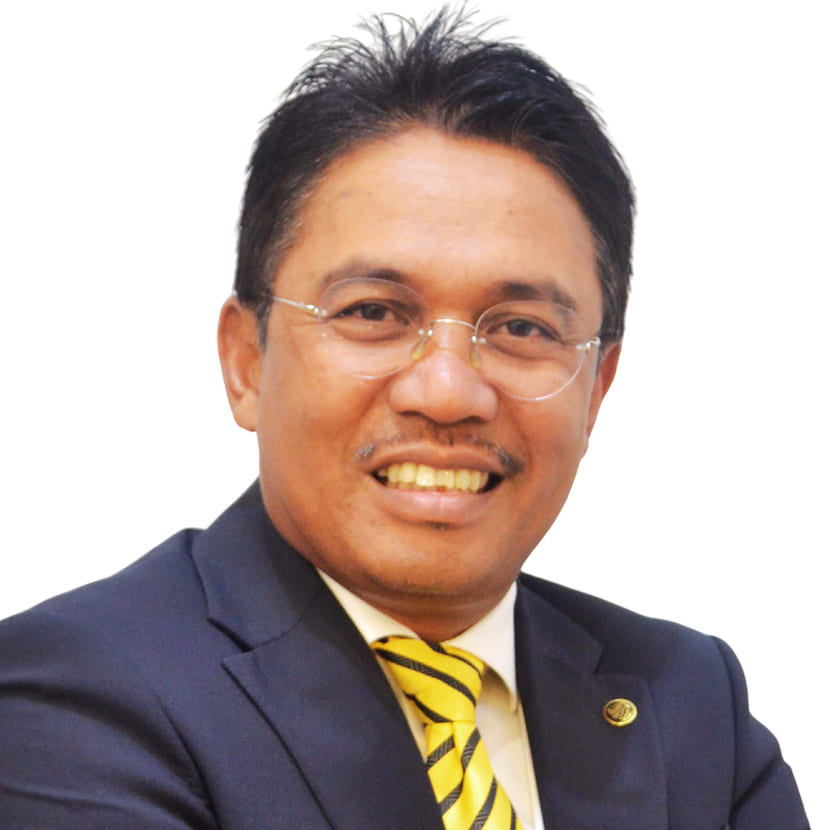
Coffee Break & Networking
Sponsor Session 1: Bank Nizwa (Signing Ceremony)
Fintech Forum – Unlocking the Potential of Digital Transformation in Islamic Finance
Format: Leadership Conversation
As financial services undergo rapid digital transformation, Islamic finance stands at a pivotal juncture, facing both significant opportunities and complex challenges. Fintech innovations—such as digital banking, advanced payment systems, artificial intelligence, and blockchain—are reshaping how Islamic financial services are designed, delivered, and regulated. This forum will examine the key enablers of digital transformation in Islamic finance, the role of partnerships between Islamic financial institutions and fintech firms in accelerating innovation, and the regulatory and Sharīʿah considerations arising from increased digitisation. It will also explore how policymakers and standard-setting bodies can balance innovation with consumer protection, Sharīʿah compliance, and financial stability, while leveraging digitalisation to enhance financial inclusion, efficiency, and competitiveness.
Roundtable: The Role of Credit Rating Agencies in Advancing Islamic Finance Markets
Format : Roundtable with Audience
Background:
This roundtable will convene leading credit rating agencies to discuss their role in strengthening Islamic finance markets through enhanced transparency, credibility, and investor confidence. Discussants will explore how robust credit assessments can facilitate the growth of sukūk and other Sharīʻah-compliant instruments, promote cross-border investment, and support market integration, as well as current challenges. The discussion will also address methodological considerations unique to Islamic finance and identify opportunities for deeper engagement between rating agencies, issuers, and regulators.
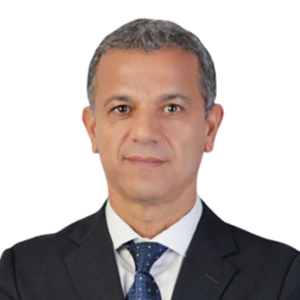

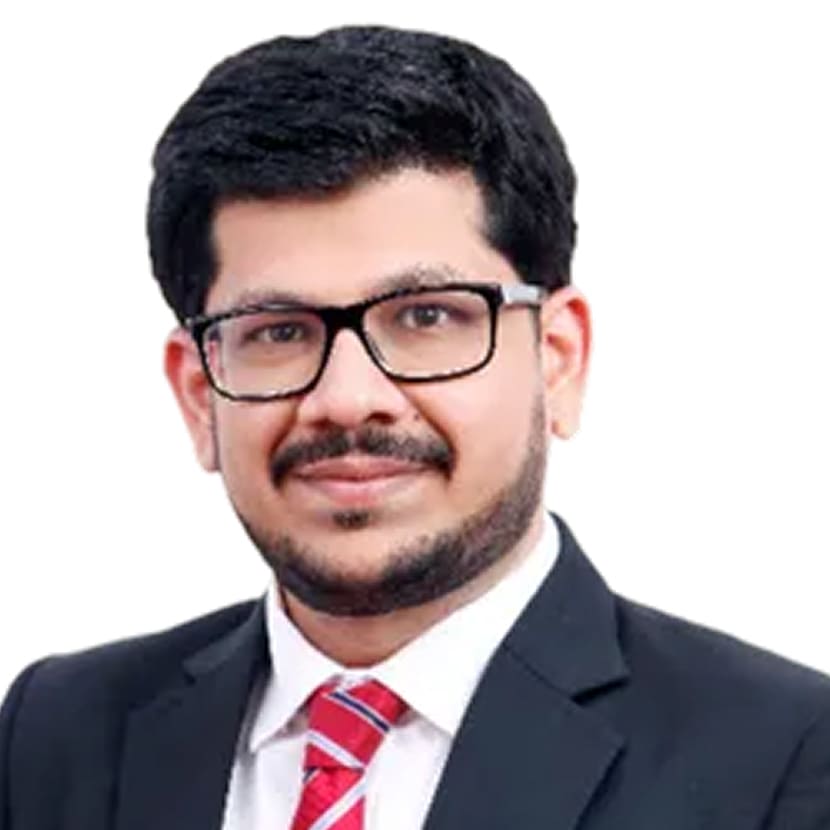
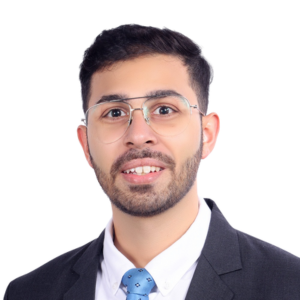
Industry Roundtable: Bridging the Liquidity Gap – Liquidity Management Tools for Islamic finance, Market Needs, and Challenges
Format: Roundtable with Audience
Effective liquidity management is essential for the stability and resilience of the Islamic Financial Services Industry (IFSI). However, Islamic financial institutions continue to face challenges due to the limited availability of liquidity management tools for Islamic financial institutions. This roundtable will serve as a platform for market participants to exchange insights and experiences on navigating liquidity risks, addressing regulatory and operational challenges, and exploring solutions to enhance liquidity risk management tools for Islamic banks.
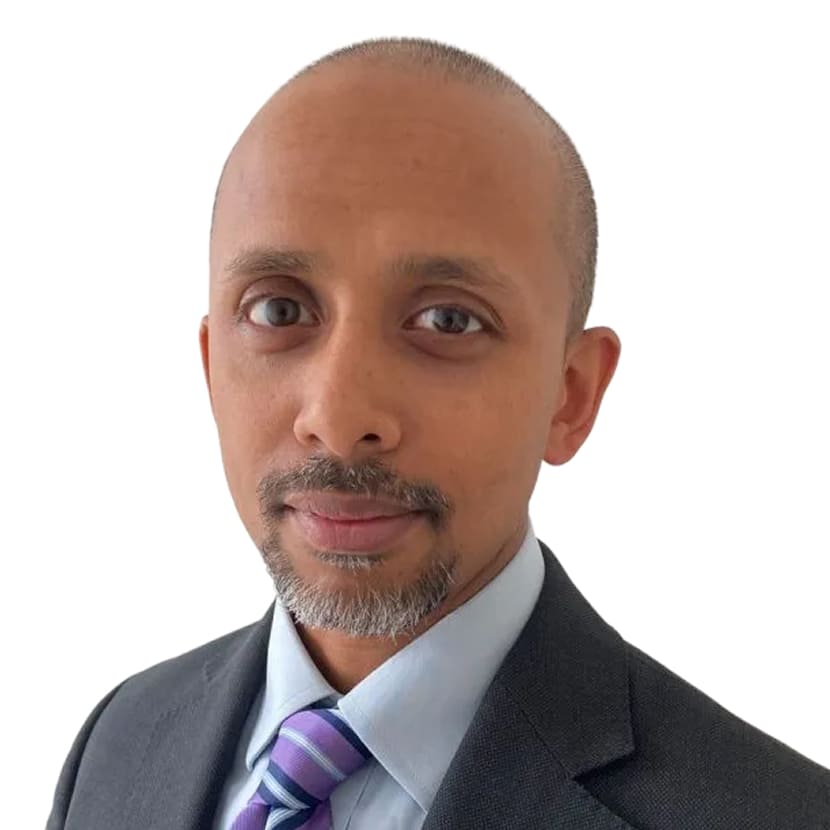
Networking Lunch and Prayers
Grassroots to Global Impact – Islamic Finance and the Role of NGOs in Driving Social and Economic Change (Event for NGOs)
Format : Panel Discussion
Non-governmental organisations (NGOs) play a crucial role in addressing global socio-economic challenges, from poverty alleviation and financial inclusion to climate action and humanitarian relief. As key players in delivering grassroots solutions, NGOs bridge the gap between government policies, private sector initiatives, and local communities. However, their impact is often constrained by financial, regulatory, and operational challenges, including limited access to sustainable funding, reliance on short-term grants, and technological inefficiencies that hinder long-term scalability. Islamic finance offers structured mechanisms for wealth redistribution, such as Zakat, Waqf, and Islamic microfinance, which can provide sustainable funding solutions beyond traditional models. Panellists will discuss how Islamic finance can help to address these challenges and how it can be effectively leveraged to scale impact.

Summit Gala Dinner
Enjoy an elegant outdoor gala dinner under the Muscat night sky — a relaxed and refined setting for networking.
Weather & Attire: Evening temperature around 19°C, breezy and dry. Bring a light jacket or shawl. Dress code is business formal or evening formal (not black tie).
Transportation: Complimentary shuttle buses depart at 6:00 PM sharp from St. Regis Al Mouj Muscat Resort, Kempinski Hotel Muscat, Crowne Plaza Muscat OCEC, Mysk Al Mouj Hotel, and Radisson Collection Muscat. Buses will display the IFSB Summit logo. VIPs with private transport may proceed directly to the Royal Opera House Muscat.
Registration: Summit
An engaging space to discover innovative offerings, connect with industry players, and explore emerging trends and solutions in Islamic finance and related sectors
National Anthem of Oman, Welcome by Master of Ceremonies, Quran Recitation and Introduction to Oman
Plenary Session
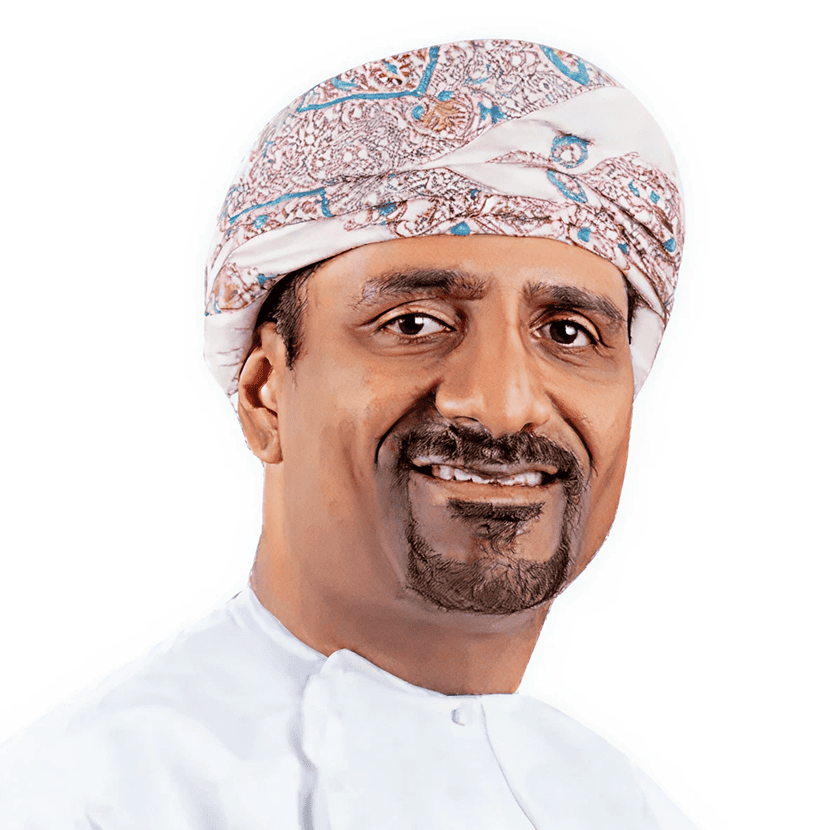
Featured Session for the Central Bank of Oman
Format: Presentation
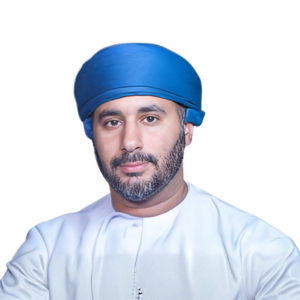
Session 1: Reactive to Proactive: How Islamic Finance Can Lead in an Era of Economic and Technological Disruption?
Format: Panel Discussion
The global financial landscape is undergoing rapid transformation, driven by economic shifts, technological advancements, and evolving investor expectations. Beyond keeping pace with these changes, Islamic finance has the opportunity to lead ethical finance, leveraging its Sharīʻah-compliant principles to drive financial inclusion and economic resilience. The session will explore how Islamic finance can transition from a reactive industry to a proactive force, embracing emerging technologies and providing alternative financing models. Panellists will discuss how Islamic finance can position itself at the forefront of ethical finance, shaping the future through technology-driven solutions, impact-focused products and strategies, and forward-looking regulatory frameworks.
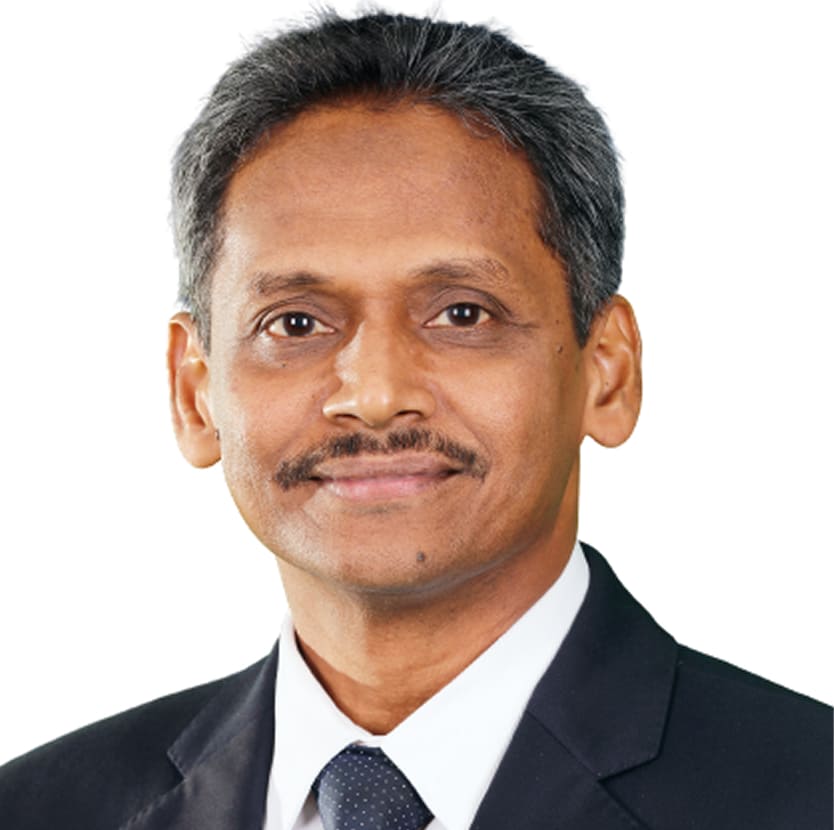
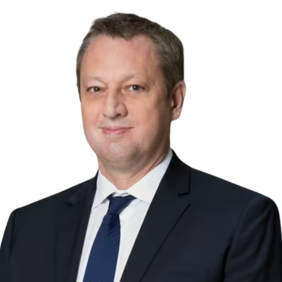
Session 2: Beyond Banking – Strengthening the Non-Bank Financial Sector
Format: Panel Discussion
Development of the Islamic non-bank financial sector—comprising takaful, Islamic capital markets, investment funds, and fintech—is essential for enhancing the depth, breadth, and resilience of the overall Islamic financial ecosystem. Despite its significant potential, the sector faces persistent challenges, including regulatory and legal gaps, a lack of scale, and market fragmentation, which hinder its ability to reach its full potential. This session will explore strategies for the development of the Islamic non-bank financial sector, addressing existing barriers, regulatory gaps, and solutions to drive its growth. Panellists will discuss its critical role in bridging financing gaps, fostering financial inclusion, and strengthening the global competitiveness and resilience of the Islamic financial services industry.

VIP Exhibition Walkabout
Networking Lunch and Prayers
Press Conference for IFSB and CBO (Closed Session)
Session 3: Islamic Finance as a Force for Good – Driving Financial Inclusion and Social Impact
Format: Panel Discussion
Islamic finance is rooted in ethics and social justice, offering a powerful framework for financial inclusion and impact-driven finance. Despite its alignment with social objectives, challenges such as inefficient fund mobilisation, regulatory gaps, and limited scalability persist. Panellists will discuss how Islamic social finance tools can be more effectively integrated into development projects as well as commercial banking, creating an enabling regulatory environment to enhance transparency and governance of social finance and financial inclusion initiatives, and how Islamic financial institutions, multilateral organisations, and the private sector can collaborate to scale social impact initiatives.
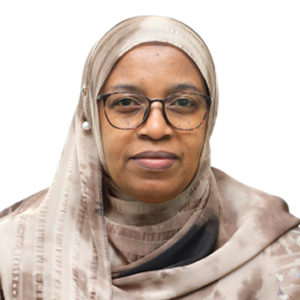
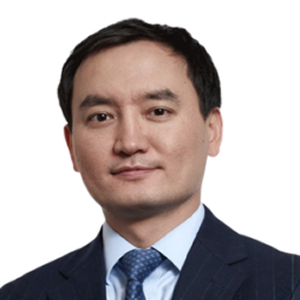

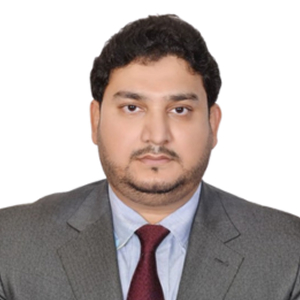
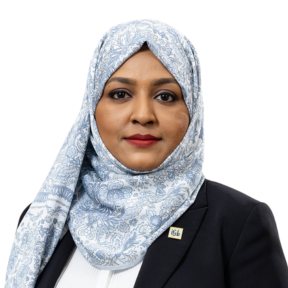
Coffee Talk: Shaping the Future of Financial Inclusion
The talk will highlight a holistic strategy for building an inclusive financial ecosystem by reorienting financial services away from traditional lending and towards productive, asset-backed and risk-sharing financial products, and integrating social finance instruments like Zakat Waqf, and Sadaqah, alongside government programmes, to de-risk financing and support the needs of the most vulnerable. Other aspects will include enabling digital infrastructure to drive scalable access, operational efficiency, and developing a cohesive regulatory framework that ensures financial stability, consumer protection, and innovation.
Muscat Tour: Leg 1
Registration for the Muscat Tour will be conducted on-site during the Summit and will be on a first-come, first-registered basis.
An engaging space to discover innovative offerings, connect with industry players, and explore emerging trends and solutions in Islamic finance and related sectors
Session 4: Sustainability and Climate Risk: Islamic Finance Strategies for a Resilient Future
Format: Panel Discussion
This session will examine how Islamic finance can address sustainability challenges and climate-related financial risks while supporting the transition to a low-carbon economy. It will explore the integration of sustainability considerations into Sharīʻah-compliant financial products, and emerging regulatory and market practices. Participants will discuss opportunities for innovation, including green and sustainability-linked sukūk, as well as climate-related risk management frameworks that align with Islamic finance principles and global standards.
Session 5: Crisis Preparedness and Financial Safety Nets in the IFSI – Do We Have the Right Balance?
Format: Panel Discussion
As financial markets face growing volatility, geopolitical risks, and economic shocks, ensuring resilience in the Islamic financial system is a key priority. Unlike conventional financial systems, where well-established lender-of-last-resort facilities, deposit insurance schemes, and liquidity backstops provide essential buffers, Islamic finance faces some limitations in applying these mechanisms while maintaining Shariah compliance. While several jurisdictions have made progress in designing Sharīʻah-compliant financial safety nets, gaps remain. This raises an important question: Are existing safety nets in the IFSI adequate, and do we have the right balance? This session will bring together regulators, policymakers, and industry leaders to discuss challenges and gaps in existing Sharīʻah-compliant safety nets in the Islamic financial system, including deposit insurance, liquidity facilities, and crisis management frameworks.

Networking Coffee Break
Coffee Talk: A Peek into the IFSB Capacity Development
In 2023, the IFSB was entrusted with a Technical Assistance (TA) mandate and reorganised to establish a dedicated capacity development department, marking a strategic shift to accelerate the adoption of IFSB standards across jurisdictions. This session offers a behind-the-scenes perspective on how the IFSB Secretariat is operationalising this mandate: from strategic planning and stakeholder engagement to tailored support for IFSB member institutions.
Session 6: Overcoming Barriers to Market Depth and Liquidity – How Can the Sukuk Market Truly Evolve?
Format: Panel Discussion
Despite its growth as a key component of the global Islamic finance industry, the sukuk market continues to face structural challenges, including supply-demand gaps, fragmented investor participation, limited depth and secondary market liquidity. This session will explore practical solutions to strengthen and deepen the sukuk market, with a focus on the role of governments in fostering an enabling environment and issuance of benchmark assets to improve pricing and risk assessment, as well as strategies for the development of domestic local currency sukuk markets. Panellists will discuss measures to diversify the investor base, incentivise market makers, and other mechanisms to enhance secondary market liquidity to position sukuk as a competitive and resilient component of the global capital markets.

Networking Lunch and Prayers
Session 7: Sharing Oman’s Experience of Endowments (Waqf)
Format: Keynote Speech
Closing Session
Muscat Tour: Leg 2
Registration for the Muscat Tour will be conducted on-site during the Summit and will be on a first-come, first-registered basis.